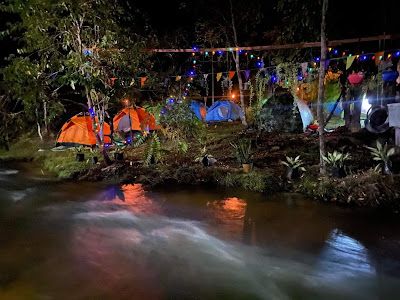
 Siem Reap


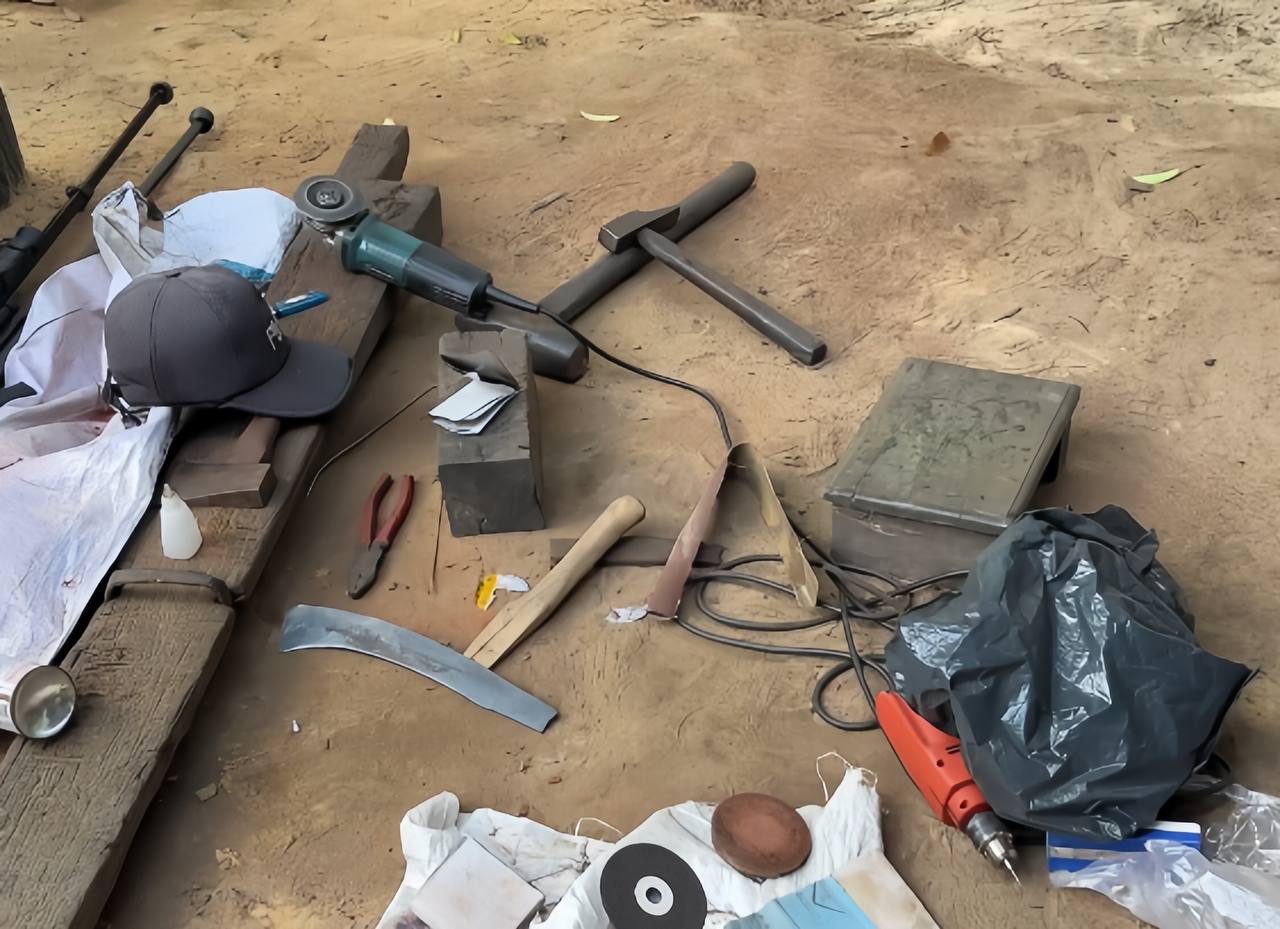
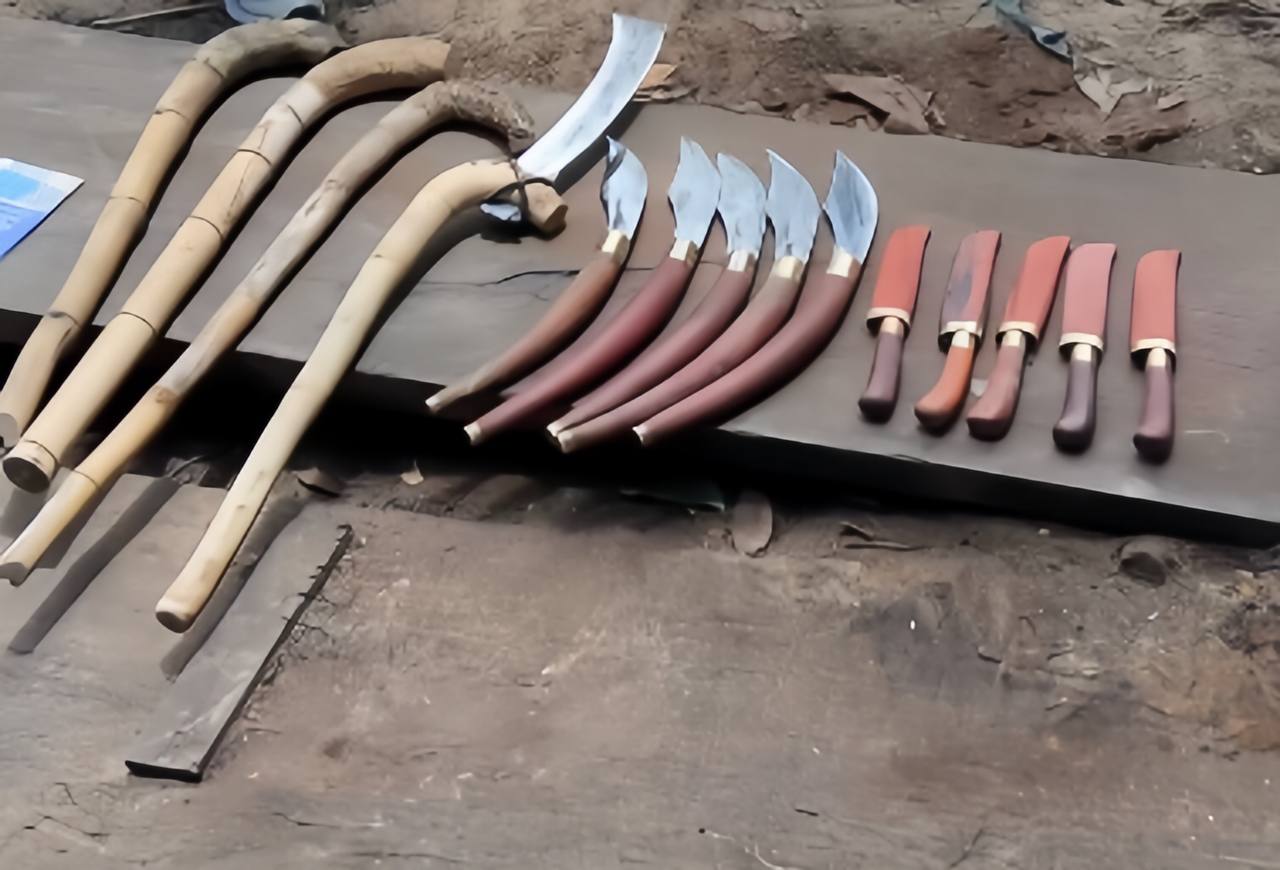
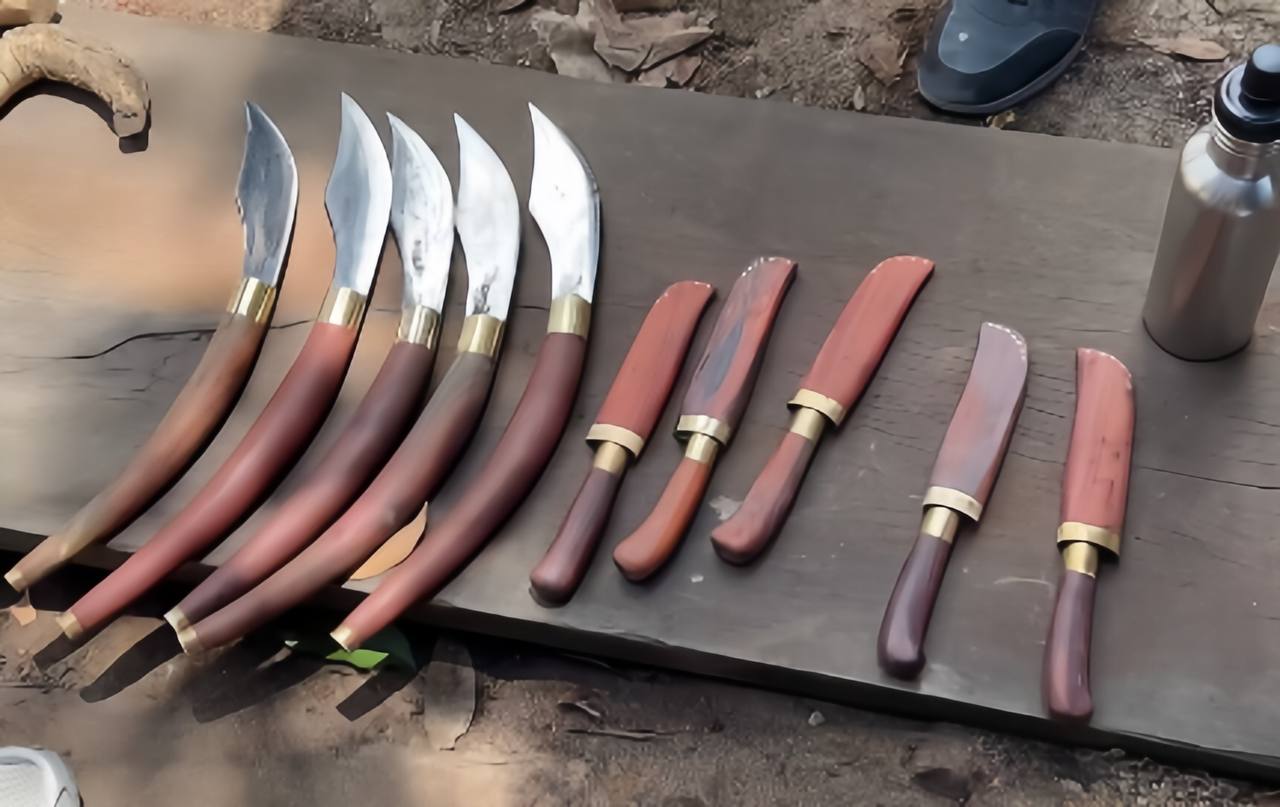
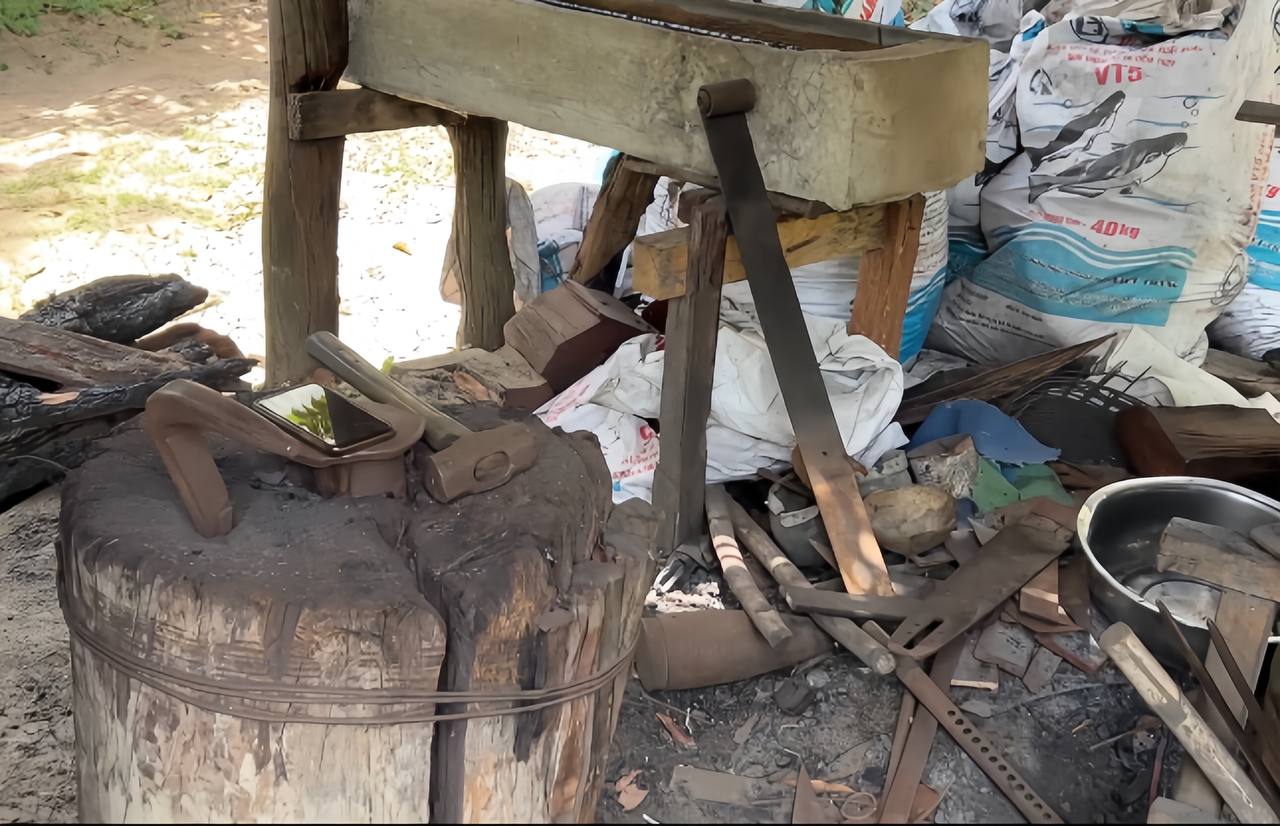
Phnom Kulen, a sacred mountain in Cambodia, is not only revered for its natural beauty and historical significance but also for its rich tradition of metalworking. For centuries, skilled craftsmen have produced a variety of metal tools, including knives, swords, axes, and other essential implements that reflect both artistry and functionality.
The legacy of metalworking on Phnom Kulen is deeply rooted in the region’s history. Artisans utilize time-honored techniques passed down through generations, emphasizing the importance of craftsmanship. The tools they create are not merely utilitarian; they are also imbued with cultural significance, often crafted for specific rituals or to be used in traditional practices.

Despite the advent of modern technology, the methods of production have remained largely unchanged. Craftsmen continue to rely heavily on human labor rather than automated machines. This commitment to traditional techniques allows for a level of precision and artistry that machine production often cannot replicate. The use of air compressors and steel in their processes demonstrates a blend of old and new, where traditional craftsmanship is enhanced by contemporary tools without sacrificing the artisan’s touch.
The production process begins with the careful selection of materials. Craftsmen often source high-quality metals, which are then shaped through a series of meticulous steps. Forging, heating, and cooling are crucial stages that require not only technical skill but also an intimate understanding of the materials involved. Each hammer strike is deliberate, reflecting the craftsman’s dedication to the craft. This hands-on approach ensures that each piece is unique, carrying the individual mark of its maker.
Community is another vital aspect of this tradition. Many of the artisans work in small workshops, often alongside family members or apprentices. This collaborative environment fosters a sense of pride and continuity within the craft, as younger generations learn from their elders, ensuring that these skills and techniques are preserved.
In conclusion, the metalworking tradition on Phnom Kulen is a testament to the enduring power of craftsmanship. The combination of historical methods, skilled human labor, and a commitment to cultural heritage continues to produce not just tools, but works of art that resonate with the spirit of the region. As long as these artisans continue their work, the legacy of Phnom Kulen’s metalworking will thrive.